
Is menopause getting in the way?
Poor sleep, anxiety, brain fog, aches and hot flushes are easy to put down to stress or a busy life. Often they are hormonal. Rate your symptoms with the Greene Climacteric Scale to see how much they are affecting you, and which matter most.
- GMC-registered doctors
- Guided by NICE
- No blood test needed if over 45
How much are your symptoms affecting you?
Rate 21 common symptoms using the Greene Climacteric Scale, the questionnaire menopause doctors use to measure how much symptoms are bothering you. About three minutes, and nothing is stored.
The quiz opens in a focused view so nothing gets in the way. You can exit at any time, and your progress is kept until you leave the page.
This questionnaire measures how much symptoms are bothering you. It cannot diagnose menopause or rule it out, and there is no score that means you do or do not need treatment. A doctor will look at your symptoms, your history and your periods together.
What are menopause symptoms?
Menopause is when you have not had a period for 12 months. The years before it, perimenopause, are when oestrogen and progesterone start to rise and fall unpredictably, and that is when most symptoms begin, usually in your mid-40s but sometimes earlier.
Hormones affect far more than periods. They play a part in sleep, mood, memory, joints, skin, temperature control and sex drive, so the changes can show up almost anywhere. Many women have several symptoms at once and do not connect them, which is why a structured check helps.
Symptoms rarely arrive alone.
The quiz covers psychological, physical, vasomotor and sexual symptoms. These are some of the most common.
-
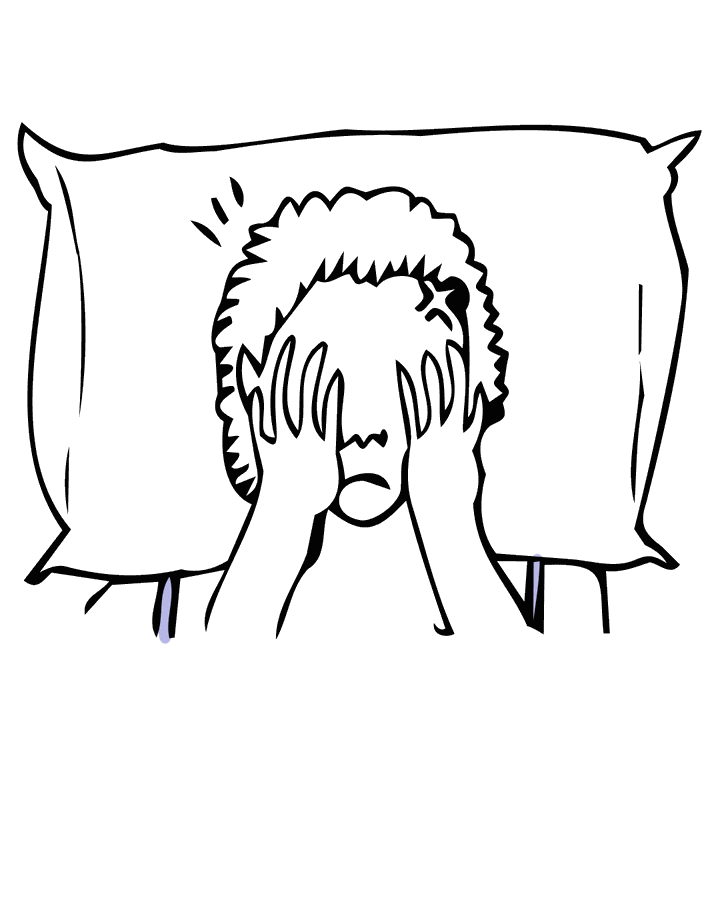
Hot flushes
A sudden wave of heat through the chest, neck and face, often with flushing and a racing heart.
-
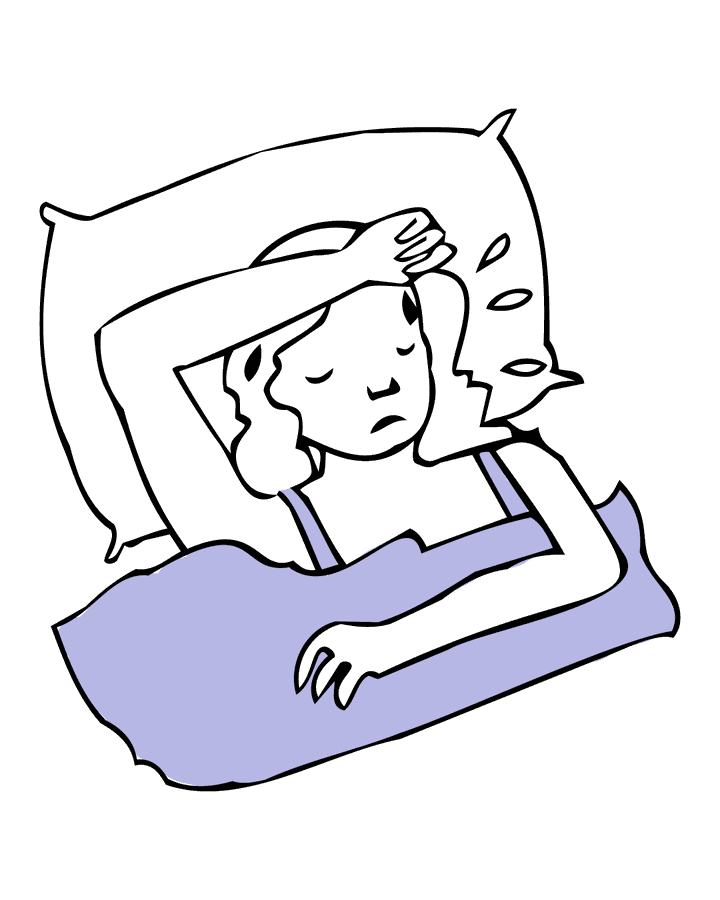
Night sweats
Hot flushes that happen at night, often soaking sheets and breaking sleep.
-

Brain fog
Losing words mid-sentence, forgetting why you walked into a room, struggling to focus.
-
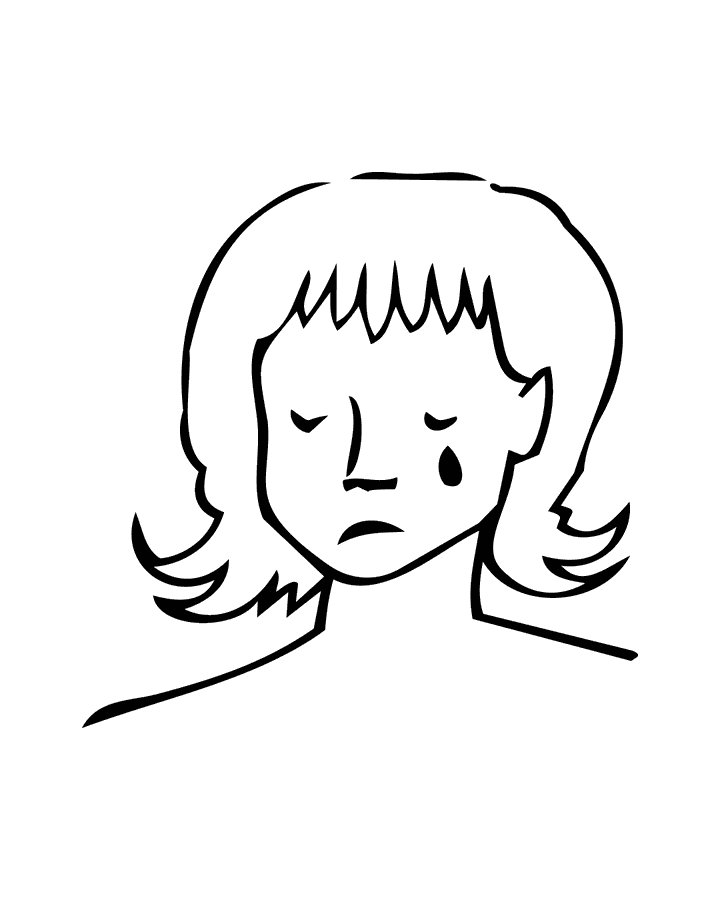
Low mood
Feeling flat, tearful or irritable, with less patience and less enjoyment than usual.
-
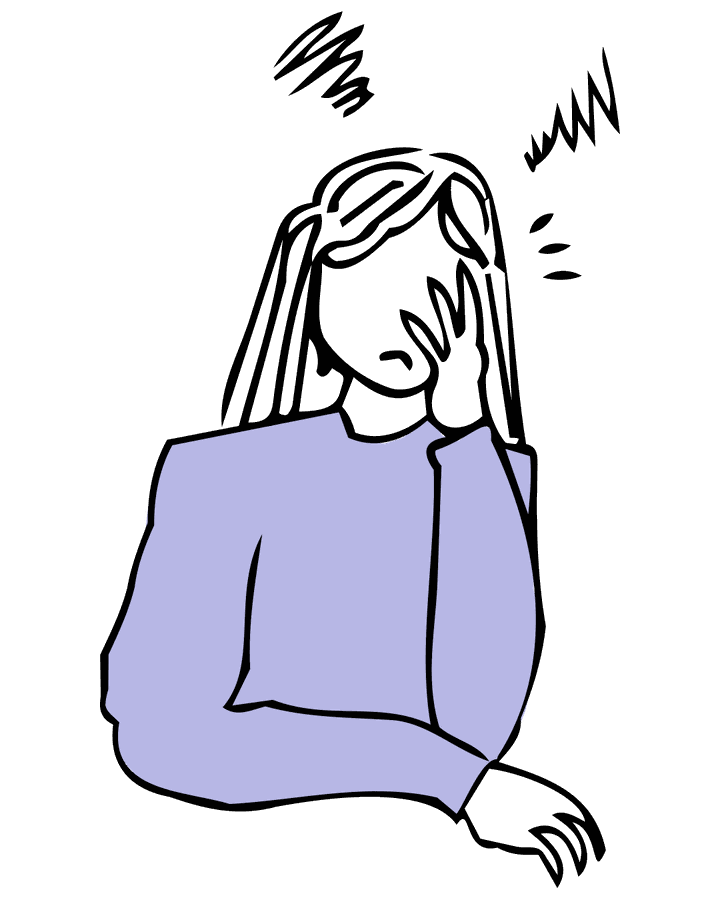
Anxiety
New or stronger worry, a racing heart, or feeling on edge without an obvious reason.
-
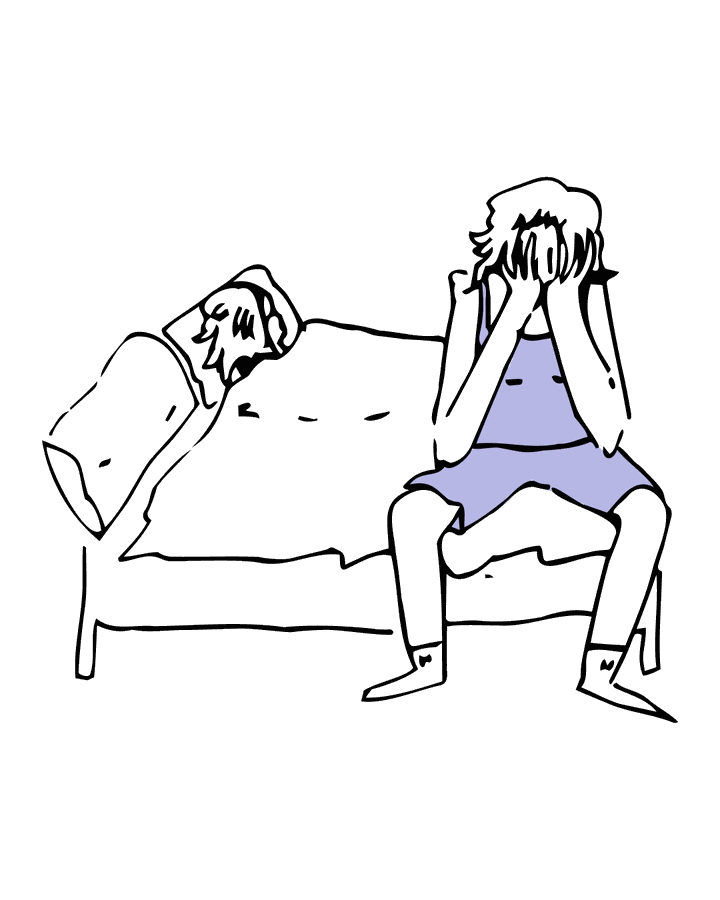
Sleep problems
Waking at 3am, lying awake, and never quite feeling rested.
-
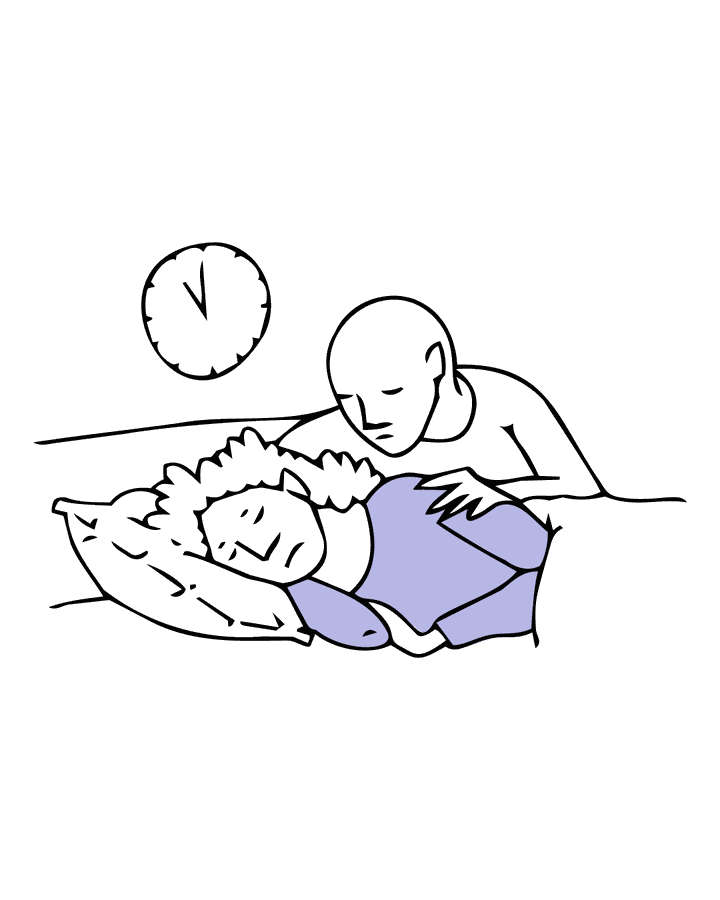
Low libido
Less interest in sex, or less pleasure from it, than before.
-
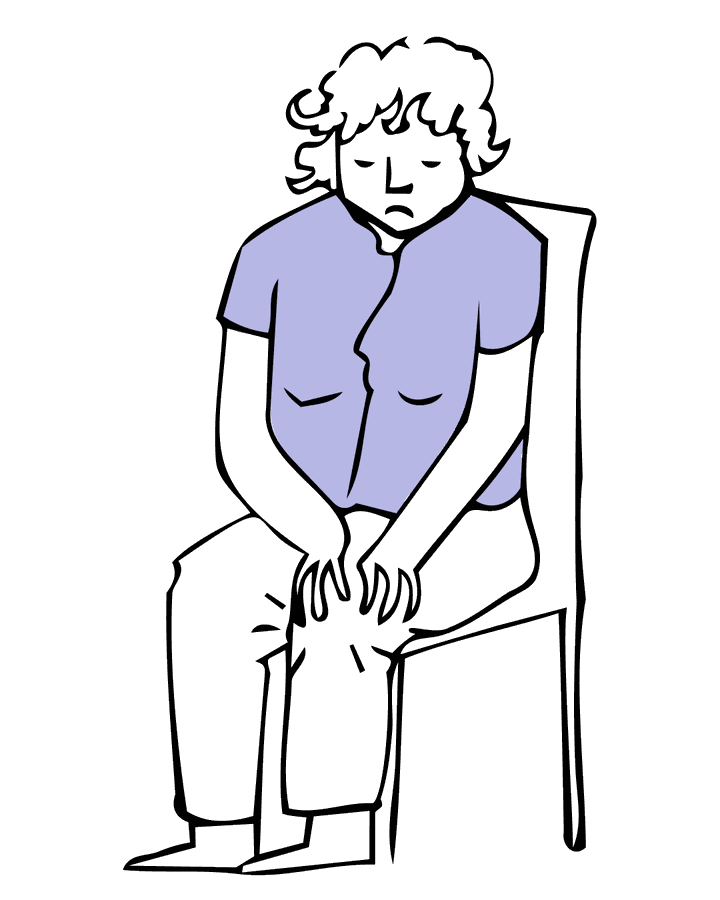
Joint pain
Aching, stiff joints and muscles, often worse in the morning, without an obvious injury.
-
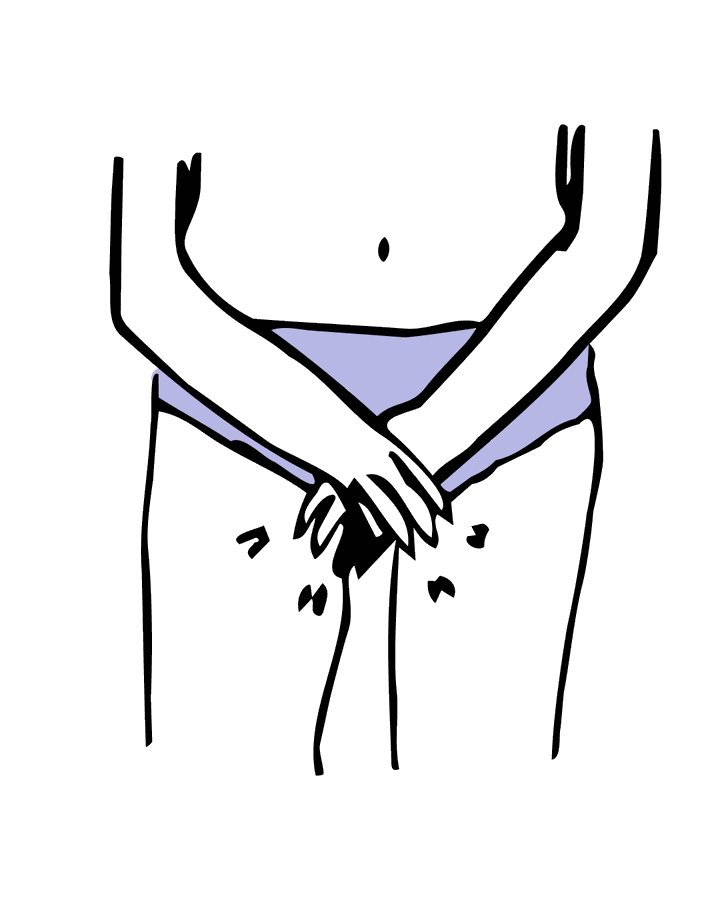
Vaginal dryness
Dryness, itching, soreness or discomfort during sex, sometimes with urinary symptoms.
-
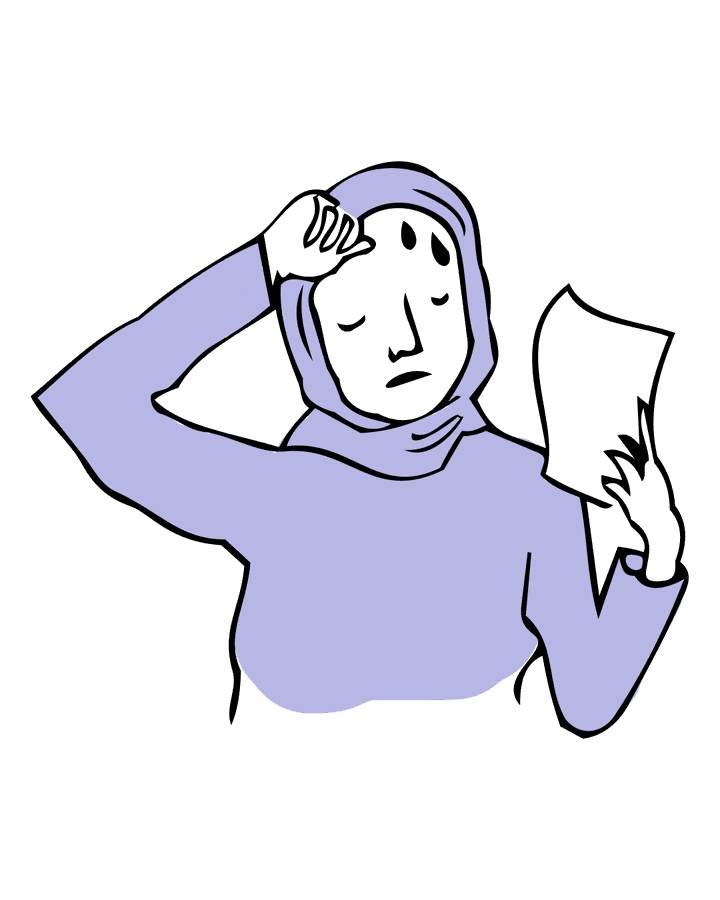
Low energy
Tired on waking, flat by mid-afternoon, and less able to recover than you used to be.
What the quiz tells you, and what it does not
The Greene Climacteric Scale was developed to measure how much menopause-type symptoms are bothering a woman, and it is still widely used by clinicians and in research. It gives a total score and breaks it down into anxiety, low mood, physical symptoms, hot flushes and sweats, and sex drive.
It does not diagnose menopause, and there is no pass mark. What it does well is turn a vague sense that something is not right into a clear picture of which symptoms are affecting you most. That makes for a better conversation with a doctor, and a baseline to measure treatment against.
Three simple steps, at your pace.
- 1
Take the quiz. Rate 21 symptoms to see which are affecting you most.
- 2
Speak to a doctor. A UK GMC-registered doctor goes through your symptoms, history and options by video.
- 3
Get a plan that fits. HRT or the alternatives, tailored to you and reviewed as things change.
Menopause and this quiz, answered.
What is the Greene Climacteric Scale?
A 21-question symptom questionnaire developed by Professor John Greene and widely used by menopause clinicians and researchers. You rate how much each symptom bothers you, from not at all to extremely, and it groups the results into psychological, physical, vasomotor (hot flushes and night sweats) and sexual symptoms.
Can this quiz tell me if I am in perimenopause or menopause?
No. It measures how much symptoms are affecting you, not their cause. There is no score that confirms or rules out menopause. Many of these symptoms can also come from thyroid problems, low iron, stress or other conditions, which is why a doctor looks at the whole picture.
What is a "high" score?
There is no official cut-off. A higher score means symptoms are having a bigger impact on daily life. What matters most is which symptoms are bothering you quite a bit or more, and how they affect you, which is why the result highlights those.
Do I need a blood test?
Usually not if you are over 45. NICE guidance says perimenopause and menopause can be diagnosed from symptoms alone at that age. Blood tests are more useful if you are under 45, or if testosterone is being considered. See our blood tests.
I scored high. What should I do next?
Book a consultation. A UK GMC-registered doctor will go through your symptoms, history and periods, explain your options, with HRT or without it, and prescribe if treatment is right for you. Bring your score: it is a useful starting point and a simple way to track how treatment is working.
Should I retake it once I start treatment?
Yes. The scale is often used to track change over time. Retaking it after two to three months of treatment shows which symptoms have improved and which may need a different approach.
This page and quiz are for general information and do not constitute medical advice or a diagnosis. If you are concerned about your health, speak to a qualified clinician. If you ever feel unsafe or have thoughts of harming yourself, contact your GP, call 111 or call 999 in an emergency.
Hormones matter.
Let's treat them properly.
Medical care that puts you back in control, with a doctor who listens, clear options and treatment tailored to you.