
Sleep problems
Waking at 3am, lying awake, and never quite feeling rested.
What it feels like
Difficulty falling asleep, waking in the early hours and struggling to get back to sleep, or waking unrefreshed are all common in perimenopause and menopause.
Why it happens
Night sweats are a common cause, but not the only one. Hormonal changes can affect sleep directly, and anxiety, low mood and needing the toilet at night can all play a part.
What can help
- HRT often improves sleep, especially where night sweats are waking you.
- CBT for insomnia (CBT-I) is an effective treatment for long-term sleep problems.
- A regular wake-up time, a cool dark bedroom, and limiting alcohol and late caffeine all help.
When to see a doctor
Speak to a doctor if poor sleep is lasting weeks and affecting how you function. Loud snoring or pauses in breathing at night can point to sleep apnoea, which should be assessed separately.
Broken sleep is one of the earliest signs of perimenopause, often appearing before any flushes. Our HRT UK guide explains the types of HRT and how to get it.
Often goes with sleep problems.
-
Sleep & energy
Night sweats
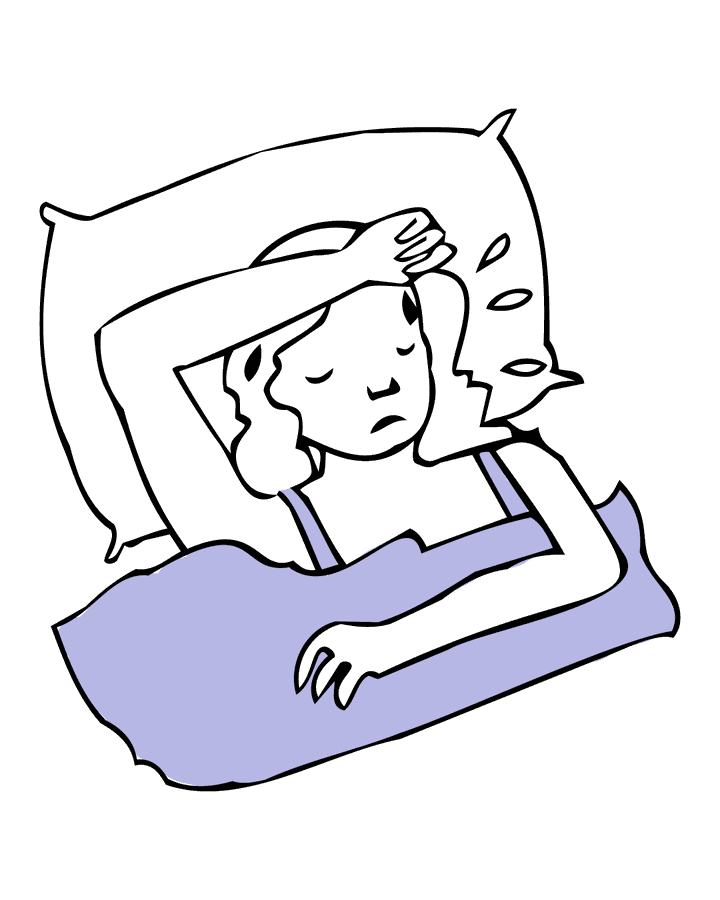
Hot flushes that happen at night, often soaking sheets and breaking sleep.
-
Sleep & energy
Low energy
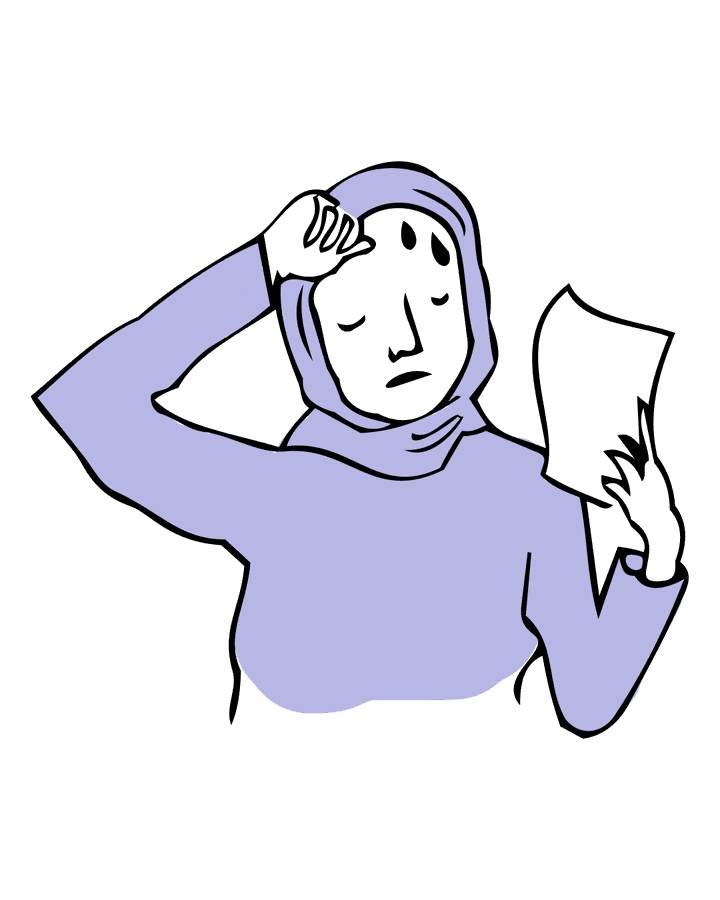
Tired on waking, flat by mid-afternoon, and less able to recover than you used to be.
-
Mood & mind
Anxiety
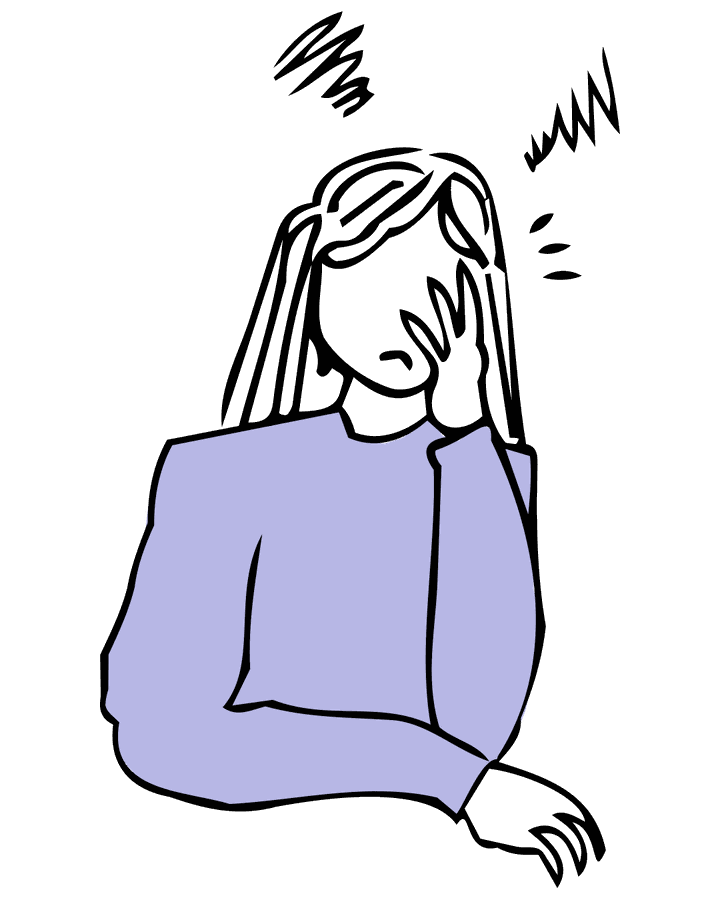
New or stronger worry, a racing heart, or feeling on edge without an obvious reason.
Free three-minute symptom check
Not sure which symptoms are hormonal? Take the menopause quiz.
Rate 21 common symptoms on the Greene Climacteric Scale and see which are affecting you most. Private, nothing is stored.
Questions about sleep problems, answered.
Why is my sleep worse in perimenopause?
Night sweats are a common cause, but hormonal changes affect sleep directly too, and anxiety and low mood play a part.
Will HRT help me sleep?
It often does, particularly where night sweats are waking you.
Could it be sleep apnoea?
Possibly. Sleep apnoea is more common after menopause than most people realise and is under-diagnosed in women. Loud snoring, pauses in breathing or heavy daytime sleepiness should be assessed in their own right.
What else helps?
CBT for insomnia is an effective treatment, alongside a regular wake-up time, a cool dark bedroom, and less alcohol and late caffeine.
Hormones matter.
Let's treat them properly.
Medical care that puts you back in control, with a doctor who listens, clear options and treatment tailored to you.