
Anxiety
New or stronger worry, a racing heart, or feeling on edge without an obvious reason.
What it feels like
Constant worry, feeling on edge, a racing heart, or a loss of confidence that does not match the situation. Many women describe it as dread with nothing to attach it to, often worst first thing in the morning.
Why it happens
Changing oestrogen levels affect mood and the body’s stress response. Testosterone contributes to mood, drive and resilience in women too, and low levels can leave you feeling flat and rattled at the same time. Hot flushes and palpitations physically feel like anxiety, and broken sleep lowers your tolerance for everything else.
What can help
- HRT can help where anxiety is linked to menopause, and for many women it is one of the first symptoms to ease.
- Testosterone may be reviewed if symptoms persist once oestrogen and progesterone are established.
- CBT is an effective treatment for anxiety and for menopausal symptoms generally.
- Regular exercise, less caffeine and alcohol, and breathing techniques help day to day.
When to see a doctor
See a doctor if anxiety is affecting your work, relationships or sleep. Palpitations should be checked, especially with chest pain, breathlessness or dizziness. If you have chest pain, call 999.
Anxiety that arrives in your 40s with no obvious trigger is a common early sign of perimenopause, even while periods are still regular. Our guide to HRT in the UK explains what treatment involves and how to get it.
Often goes with anxiety.
-
Mood & mind
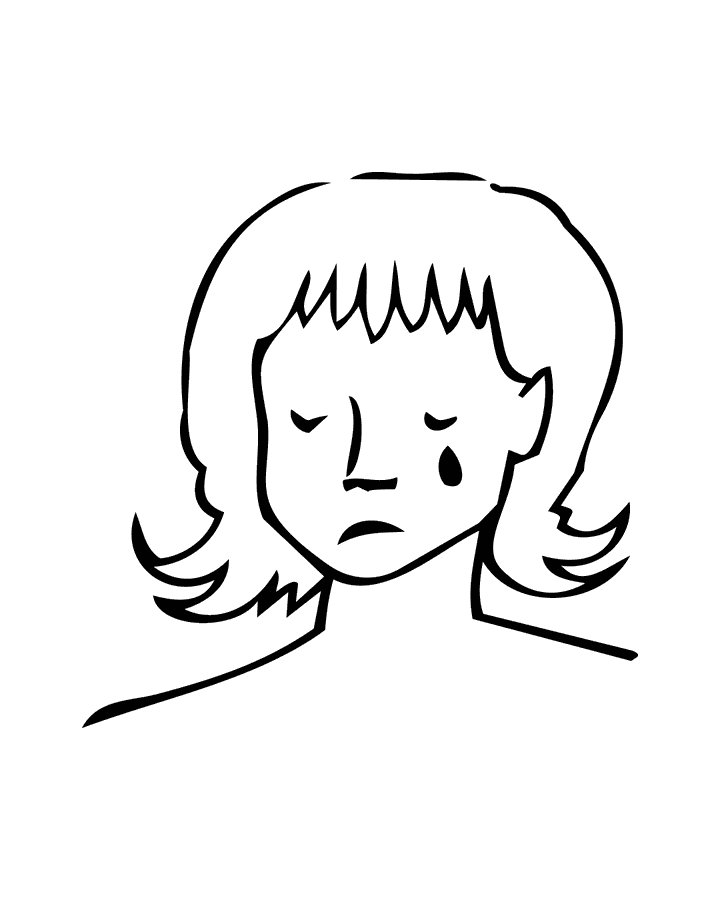
Low mood
Feeling flat, tearful or irritable, with less patience and less enjoyment than usual.
-
Mood & mind
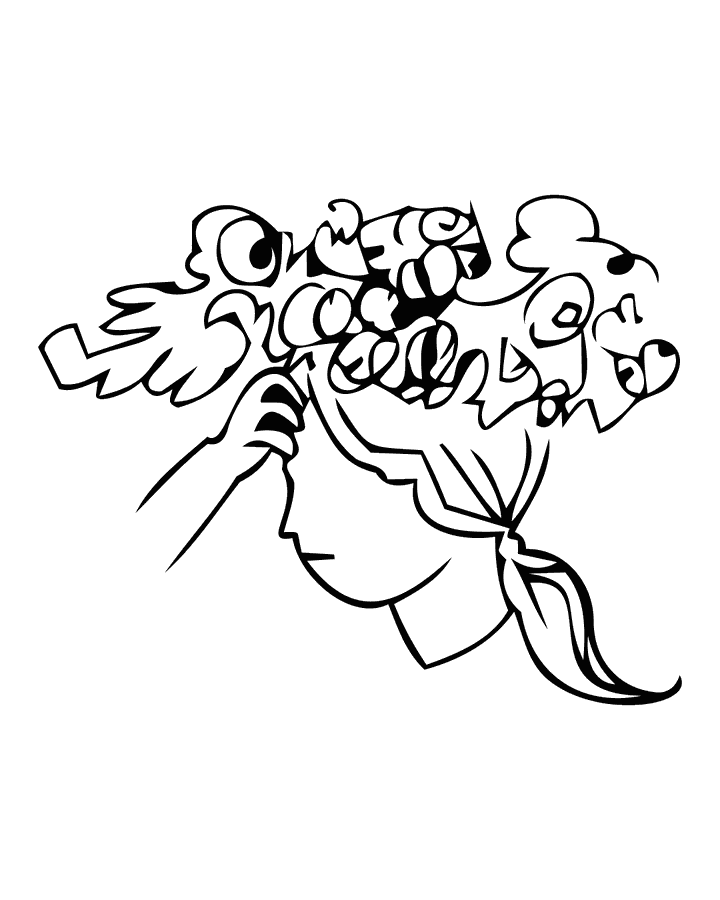
Brain fog
Losing words mid-sentence, forgetting why you walked into a room, struggling to focus.
-
Sleep & energy
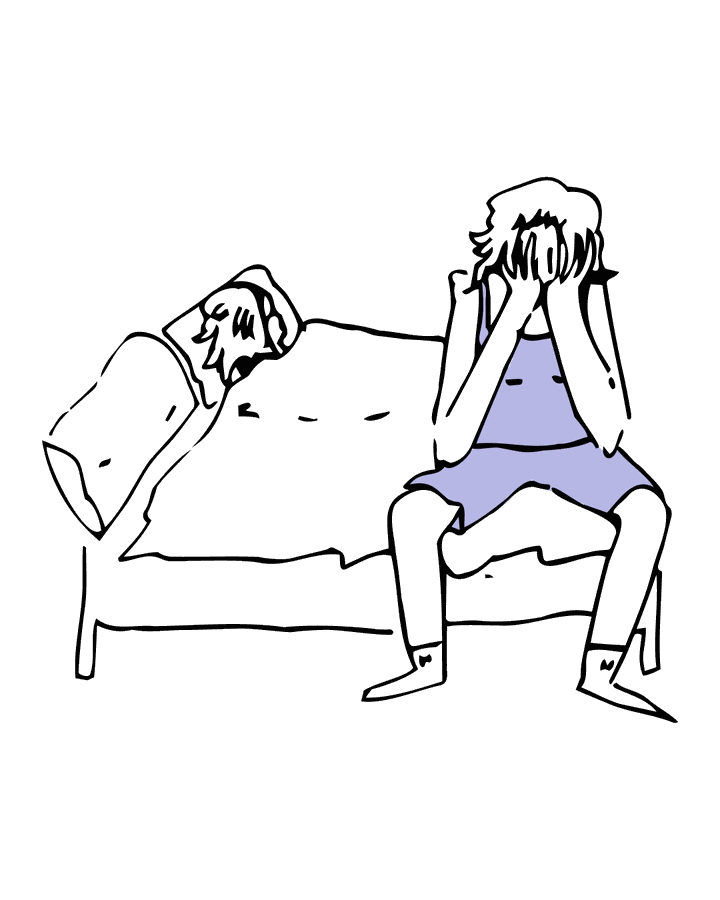
Sleep problems
Waking at 3am, lying awake, and never quite feeling rested.
Free three-minute symptom check
Not sure which symptoms are hormonal? Take the menopause quiz.
Rate 21 common symptoms on the Greene Climacteric Scale and see which are affecting you most. Private, nothing is stored.
Questions about anxiety, answered.
Can menopause cause anxiety for the first time?
Yes. Some women develop anxiety in perimenopause with no previous history, and others find anxiety they have always managed becomes much harder to handle.
Could low testosterone be behind it?
It can contribute. Testosterone supports mood, drive and energy in women as well as men. If anxiety has not settled on oestrogen and progesterone, your doctor will consider whether testosterone is part of the picture.
Will HRT help with anxiety?
It can help where anxiety is linked to menopause. CBT is also effective, and the two can be used together.
Should palpitations be checked?
Yes. Palpitations are common in menopause but should be assessed, particularly alongside chest pain, breathlessness or dizziness. If you have chest pain, call 999.
Hormones matter.
Let's treat them properly.
Medical care that puts you back in control, with a doctor who listens, clear options and treatment tailored to you.