
Low mood
Feeling flat, tearful or irritable, with less patience and less enjoyment than usual.
What it feels like
Feeling low, tearful, irritable or flat, with less motivation and less enjoyment in things you usually like. Some women describe mood swings that feel out of character, or a shorter fuse than they have ever had.
Why it happens
Falling and fluctuating oestrogen affects mood directly. Testosterone, which women produce in smaller amounts from the ovaries and adrenal glands, also contributes to mood, energy and drive, and it declines with age. Poor sleep from night sweats, and the pressures many women are carrying in their forties and fifties, make everything harder to absorb.
Mood change is not automatically hormonal. Thyroid problems, low iron or vitamin B12, alcohol, chronic pain and depression can all produce the same picture, which is why a proper assessment matters.
What can help
- HRT can help low mood that is linked to menopause.
- Testosterone may be considered if mood, drive and energy have not improved on oestrogen and progesterone. Your doctor will explain what the evidence does and does not support.
- Cognitive behavioural therapy (CBT) is effective for low mood and anxiety during menopause.
- Where depression is diagnosed, it is treated in its own right. HRT is not a substitute for depression treatment.
When to see a doctor
Book a consultation if low mood has lasted more than a couple of weeks or is affecting your daily life. If you are having thoughts of harming yourself, contact your GP urgently, call NHS 111, or call Samaritans on 116 123. In an emergency, call 999.
Low mood that comes and goes with your cycle in your 40s is a recognised feature of perimenopause, and is often treated with antidepressants when hormones are the cause. Our HRT UK guide explains what the guidelines say and how to get treatment.
Often goes with low mood.
-
Mood & mind
Brain fog
Losing words mid-sentence, forgetting why you walked into a room, struggling to focus.
-
Mood & mind
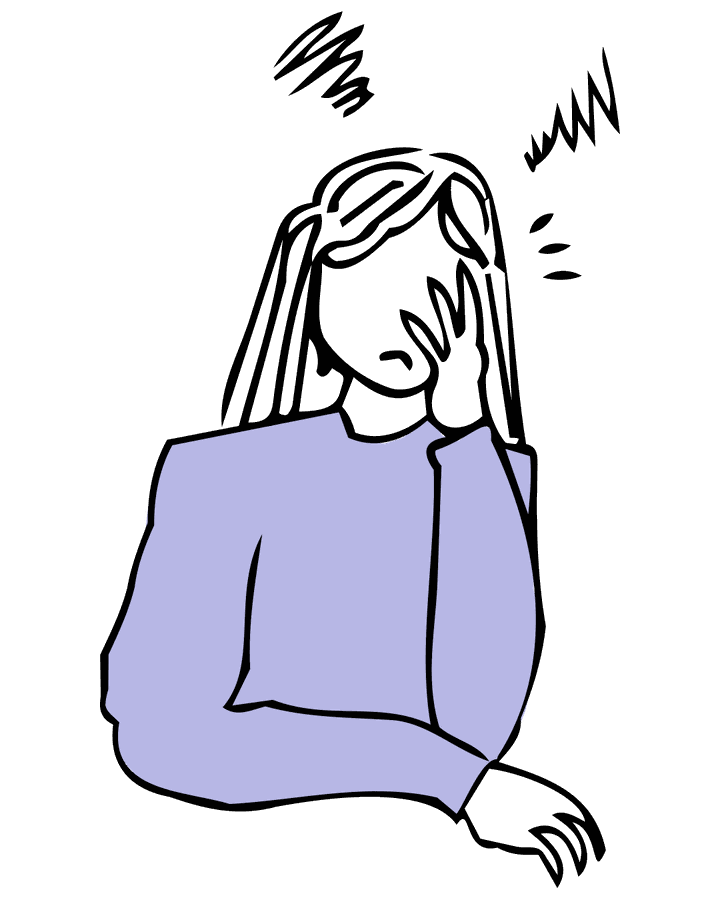
Anxiety
New or stronger worry, a racing heart, or feeling on edge without an obvious reason.
-
Sleep & energy
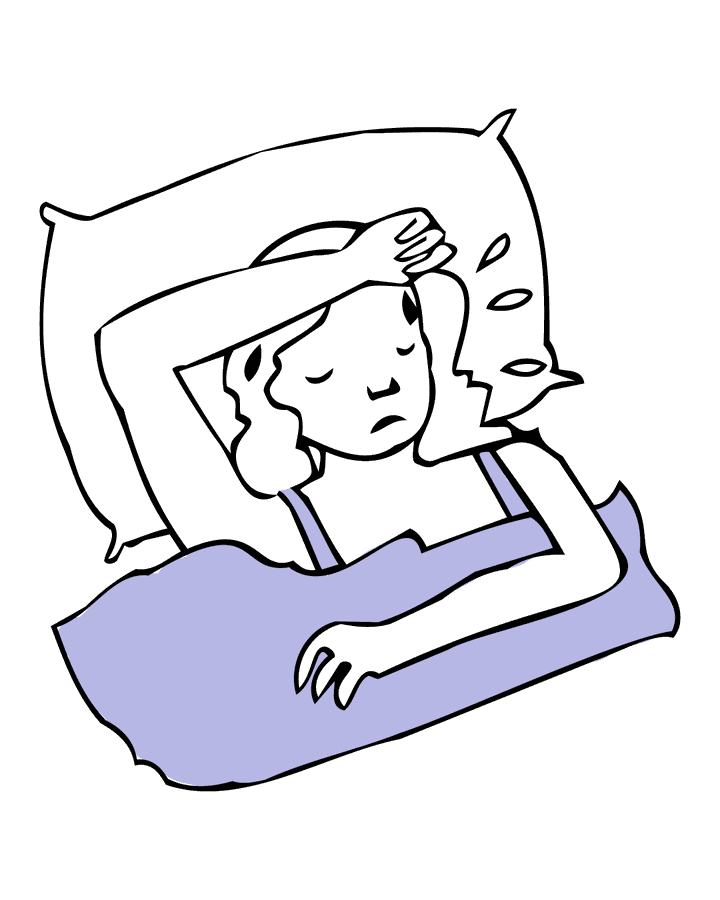
Night sweats
Hot flushes that happen at night, often soaking sheets and breaking sleep.
Free three-minute symptom check
Not sure which symptoms are hormonal? Take the menopause quiz.
Rate 21 common symptoms on the Greene Climacteric Scale and see which are affecting you most. Private, nothing is stored.
Questions about low mood, answered.
Can perimenopause cause low mood?
Yes. Changing hormone levels can affect mood directly, and broken sleep, night sweats and the pressures many women carry at this stage all add to it.
Is it oestrogen or testosterone?
It can be either, and often both. Oestrogen is usually addressed first. If your mood has not lifted on oestrogen and progesterone, your doctor will look at whether testosterone is part of the picture.
Is HRT a treatment for depression?
No. HRT can help low mood linked to menopause, but depression needs to be assessed and treated in its own right. Your doctor will help you work out what is going on rather than assuming it is hormonal.
What if I am struggling right now?
If you are having thoughts of harming yourself, contact your GP urgently, call NHS 111, or call Samaritans on 116 123. In an emergency, call 999.
Hormones matter.
Let's treat them properly.
Medical care that puts you back in control, with a doctor who listens, clear options and treatment tailored to you.