Joint pain
Aching, stiff joints and muscles, often worse in the morning, without an obvious injury.
What it feels like
Aching and stiffness in the joints, often in the hands, knees, hips or shoulders, and often worse first thing in the morning. Many women say they feel like they have aged a decade overnight, with no injury to explain it.
Why it happens
Oestrogen has a role in joint and connective tissue health, so falling levels contribute to aches and stiffness. Testosterone supports muscle and bone, so low levels can add to the picture, particularly when aches come alongside fatigue and loss of strength. Other common causes at this age, such as osteoarthritis and inflammatory arthritis, need to be considered too.
What can help
- HRT may ease menopause-related aches for some women.
- Testosterone may be reviewed where aches persist alongside fatigue and low drive on established HRT.
- Strength training and regular movement help joints directly, and protect bone. This matters: women can lose up to around a tenth of their bone density in the five years after their final period.
When to see a doctor
See a doctor if joints are swollen, hot or red, if pain is severe, or if morning stiffness lasts more than an hour. These can be signs of an inflammatory condition that needs assessing in its own right.
Aches that started around the same time as changes to your periods point towards perimenopause. Our guide to how HRT works in the UK explains what treatment involves.
Often goes with joint pain.
-
Body
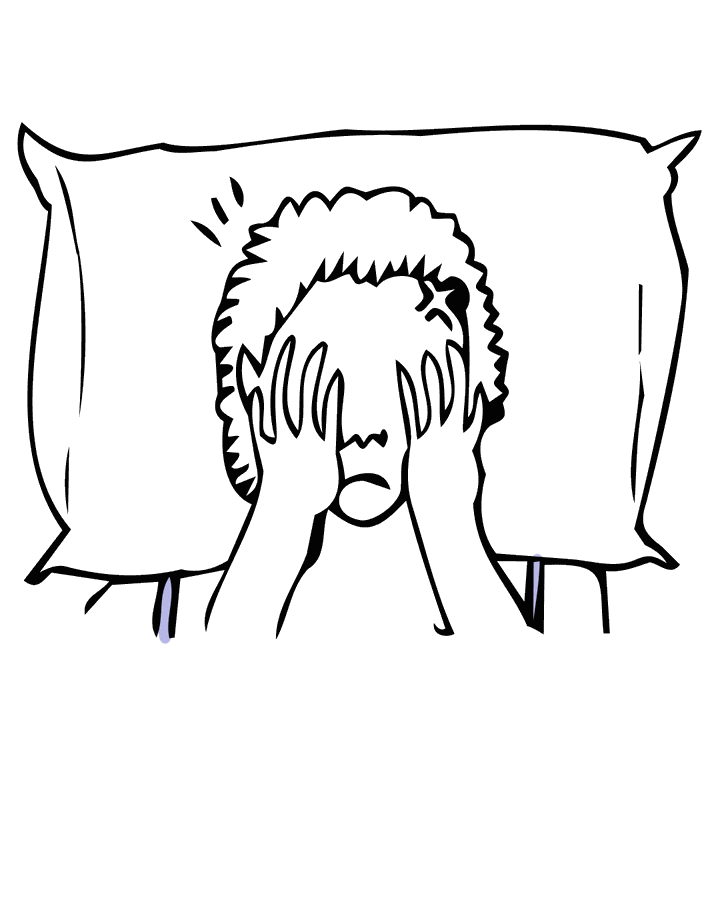
Hot flushes
A sudden wave of heat through the chest, neck and face, often with flushing and a racing heart.
-
Intimacy
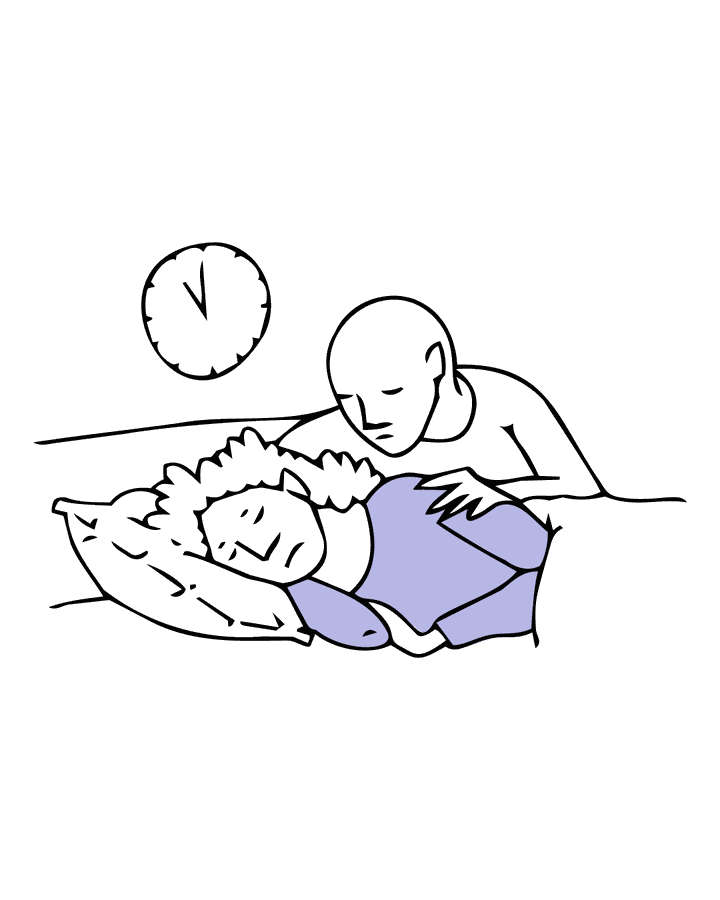
Low libido
Less interest in sex, or less pleasure from it, than before.
-
Intimacy
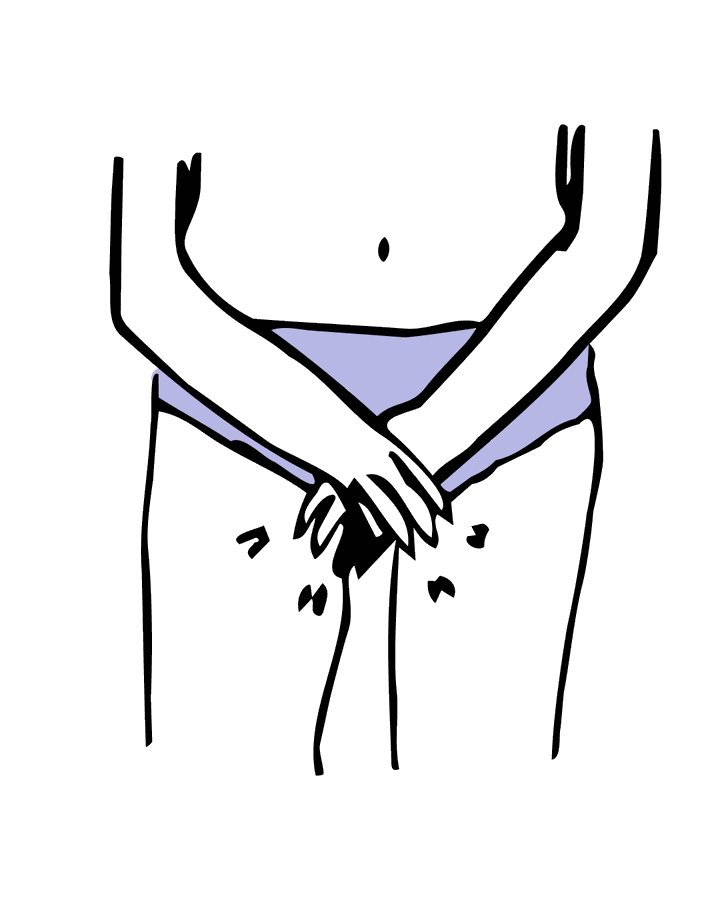
Vaginal dryness
Dryness, itching, soreness or discomfort during sex, sometimes with urinary symptoms.
Free three-minute symptom check
Not sure which symptoms are hormonal? Take the menopause quiz.
Rate 21 common symptoms on the Greene Climacteric Scale and see which are affecting you most. Private, nothing is stored.
Questions about joint pain, answered.
Can menopause cause joint pain?
Yes. Falling oestrogen contributes to aches and stiffness, often in the hands, knees, hips and shoulders and often worse first thing.
Is testosterone relevant to aches and pains?
It can be. Testosterone supports muscle and bone as well as energy, so where aches persist alongside fatigue and low drive on established HRT, your doctor may consider it.
Will HRT help my joints?
It may ease menopause-related aches for some women. Strength training and staying active help too, and protect your bones at the same time.
When should joint pain be checked?
If joints are swollen, hot or red, if pain is severe, or if morning stiffness lasts more than an hour. These can indicate an inflammatory condition that needs its own assessment.
Hormones matter.
Let's treat them properly.
Medical care that puts you back in control, with a doctor who listens, clear options and treatment tailored to you.