
The full picture
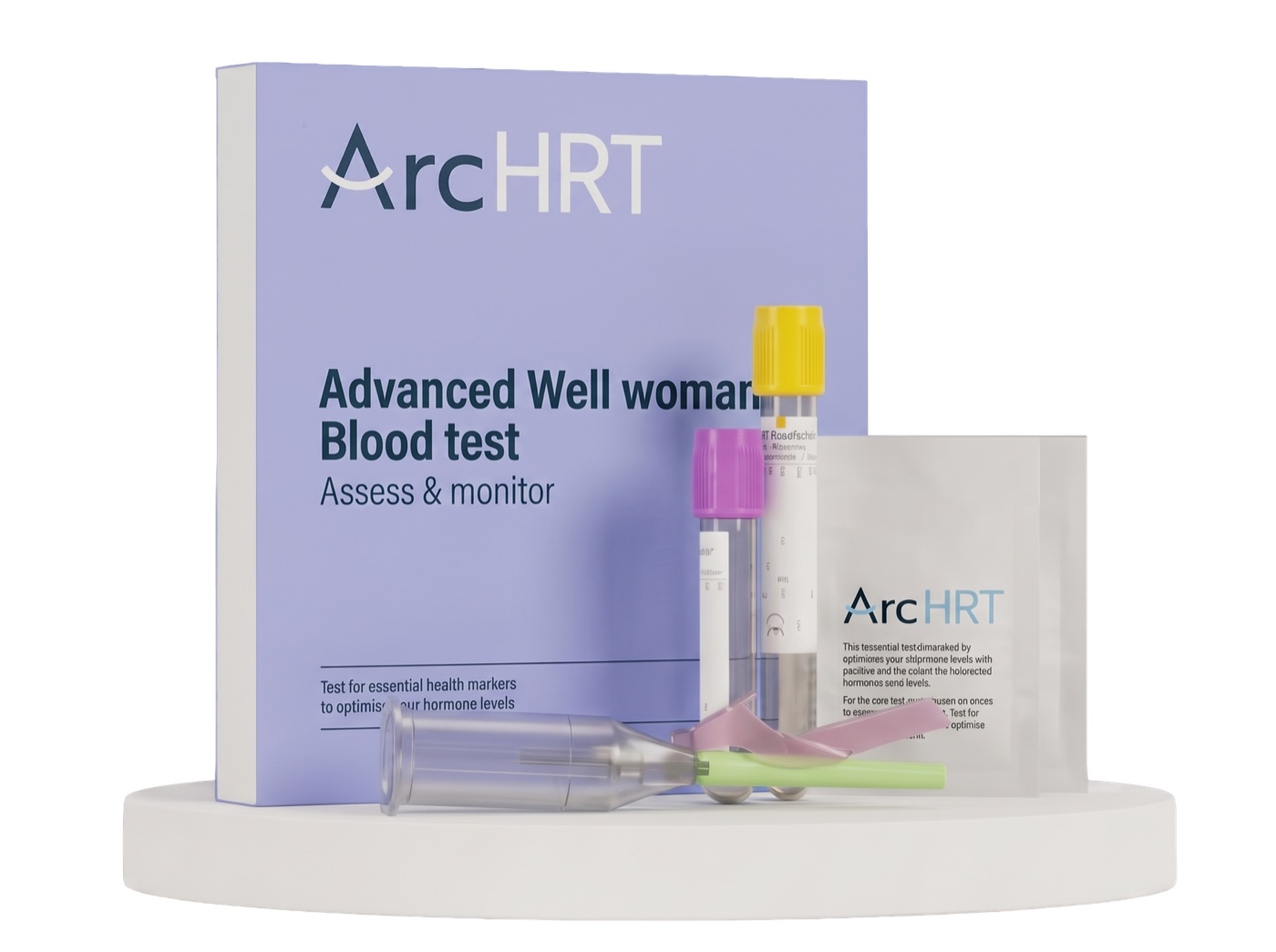
Advanced Well Woman Blood Test
Your hormones plus iron, vitamins, thyroid, cholesterol and a general health check, from one sample.
from £110 one-off · venous kit, nurse or clinic
23 markers across 7 areas of healthThe full picture
Hormones, thyroid, iron, vitamins, blood sugar, cholesterol, liver, kidneys, inflammation and adrenal markers from one sample, reviewed by a UK GMC-registered doctor.
from£110See all 23 markers
Tap any marker to see what it is and why we test it, in plain English.
Where you are in perimenopause or menopause, and how HRT is working.
What it isThe main form of oestrogen.
Why we test itShows where you are in the transition and, on HRT, whether you are absorbing your oestrogen.
What it isA pituitary hormone released with FSH to drive ovulation.
Why we test itRead alongside FSH to build a picture of ovarian function.
What it isA pituitary hormone that rises as the ovaries slow down.
Why we test itA raised FSH supports a diagnosis of perimenopause or menopause under 45, and is part of the under-40 work-up.
What it isA pituitary hormone.
Why we test itA raised prolactin can stop periods and lower libido, and needs ruling out before symptoms are put down to menopause.
What it isThe hormone produced after ovulation.
Why we test itShows whether you are still ovulating, which helps with perimenopause diagnosis and contraception advice.
Linked to energy and libido, and checked before and during testosterone treatment.
What it isTotal testosterone, free testosterone, SHBG and albumin.
Why we test itA baseline before testosterone is considered, and the figures used to keep levels in the normal female range once you are on it.
Common, easily treated causes of tiredness, brain fog and low mood.
What it isA vitamin needed for energy, nerves and red blood cells.
Why we test itLow B12 causes tiredness, brain fog, low mood and pins and needles, which are easy to blame on hormones alone.
What it is25-hydroxy vitamin D, the storage form.
Why we test itImportant for bone health, which becomes a priority after menopause, and for mood and immunity.
What it isA mineral involved in muscle, nerve and sleep function.
Why we test itLow magnesium can contribute to cramps, palpitations, poor sleep and anxiety.
What it isSerum folate, a B vitamin needed alongside B12.
Why we test itLow folate causes tiredness and anaemia and is checked with B12.
What it isYour stored iron.
Why we test itThe most useful marker of iron deficiency. Low ferritin causes fatigue, hair thinning and restless legs even before anaemia appears.
What it isThe iron circulating in your blood.
Why we test itRead with ferritin and transferrin to confirm whether iron is low, normal or high.
What it isThe protein that carries iron.
Why we test itRises when the body is short of iron, helping confirm the cause of a low ferritin.
A thyroid problem can feel just like menopause, so we rule it out.
What it isTSH, free T3, free T4, total T4, and the thyroid antibodies anti-TPO and anti-TG.
Why we test itThyroid problems are common in midlife and mimic menopause symptoms. The antibodies show autoimmune thyroid disease before levels change.
Heart and diabetes risk both rise after menopause. These show where you stand.
What it isYour average blood sugar over the past three months.
Why we test itPicks up pre-diabetes and diabetes, which also affect energy, weight and heart risk.
What it isTotal cholesterol, triglycerides, HDL, HDL as a percentage of total, LDL and non-HDL cholesterol.
Why we test itHeart disease risk rises after menopause as oestrogen falls. This is your baseline.
What it isA marker of inflammation.
Why we test itRaised CRP flags infection or inflammation that may be behind fatigue or joint pain.
Hormones from your adrenal glands, which affect energy, sleep and stress.
What it isThe main stress hormone, measured in a morning sample.
Why we test itVery high or very low cortisol can cause fatigue, weight change and low mood that look like menopause.
A general health check of your liver, kidneys and blood cells.
What it isRed cells, white cells, haemoglobin and platelets.
Why we test itPicks up anaemia, which heavy perimenopausal periods often cause, and gives a general picture of your health.
What it isSodium, urea, chloride, creatinine and eGFR.
Why we test itChecks how well your kidneys are working, and matters if you take other medicines.
What it isA waste product cleared by the kidneys.
Why we test itHigh levels point to gout risk and can accompany metabolic problems.
What it isThe non-albumin proteins in your blood, worked out from total protein and albumin.
Why we test itAn abnormal result can point to inflammation, infection or immune conditions that need a closer look.
What it isTotal protein, albumin, globulin, ALP, ALT, AST, gamma GT and bilirubin.
Why we test itChecks the liver is healthy before and during treatment, and picks up fatty liver, which is common in midlife.
Our most complete check of the things that change through perimenopause and menopause, and of the conditions that are easy to mistake for it: thyroid disease, low iron, low B12 or vitamin D, raised blood sugar and adrenal problems.
Oestrogen protects the heart and bones; after menopause the risks change. Cholesterol, HbA1c, liver and kidney function give you and your doctor a baseline to work from.
Includes the free testosterone profile we use before considering testosterone and at review, so nothing needs repeating if treatment is right for you.
A venous sample: a kit for a draw you arrange, a nurse at your home, or a visit to a partnered clinic. Whichever you choose, a doctor reviews the results and explains what they mean.
Over 45 and wondering where to start? Menopause is usually diagnosed from symptoms, so you may not need a test. Book a consultation instead.
Your venous kit is posted first class to the address you give us.
Book a blood draw with a nurse or phlebotomist, for example at your GP practice or a private clinic. The kit has everything they need.
Take the kit to your appointment, then post the sample back the same day in the prepaid envelope.
A doctor reviews your results, then sends them to you with your outcome and recommended next steps.
Every test is reviewed by a UK GMC-registered doctor. Pick the one that matches where you are today.
The full picture
Your hormones plus iron, vitamins, thyroid, cholesterol and a general health check, from one sample.
from £110 one-off · venous kit, nurse or clinic
23 markers across 7 areas of health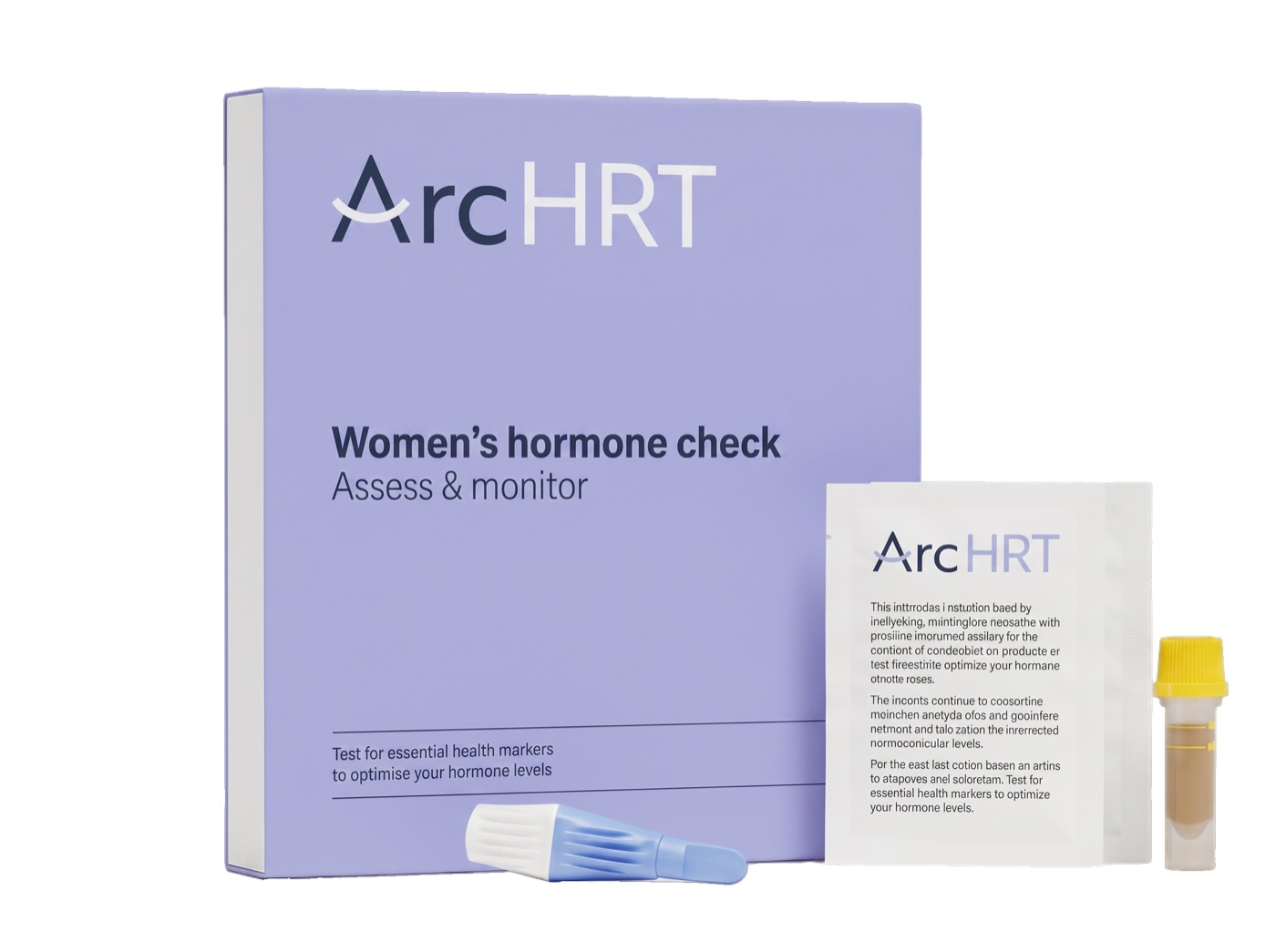
Start here
For under-45s with symptoms, or if testosterone is being considered: your core hormones and thyroid.
from £90 one-off · finger-prick kit, venous kit, nurse or clinic
11 markers across 3 areas of health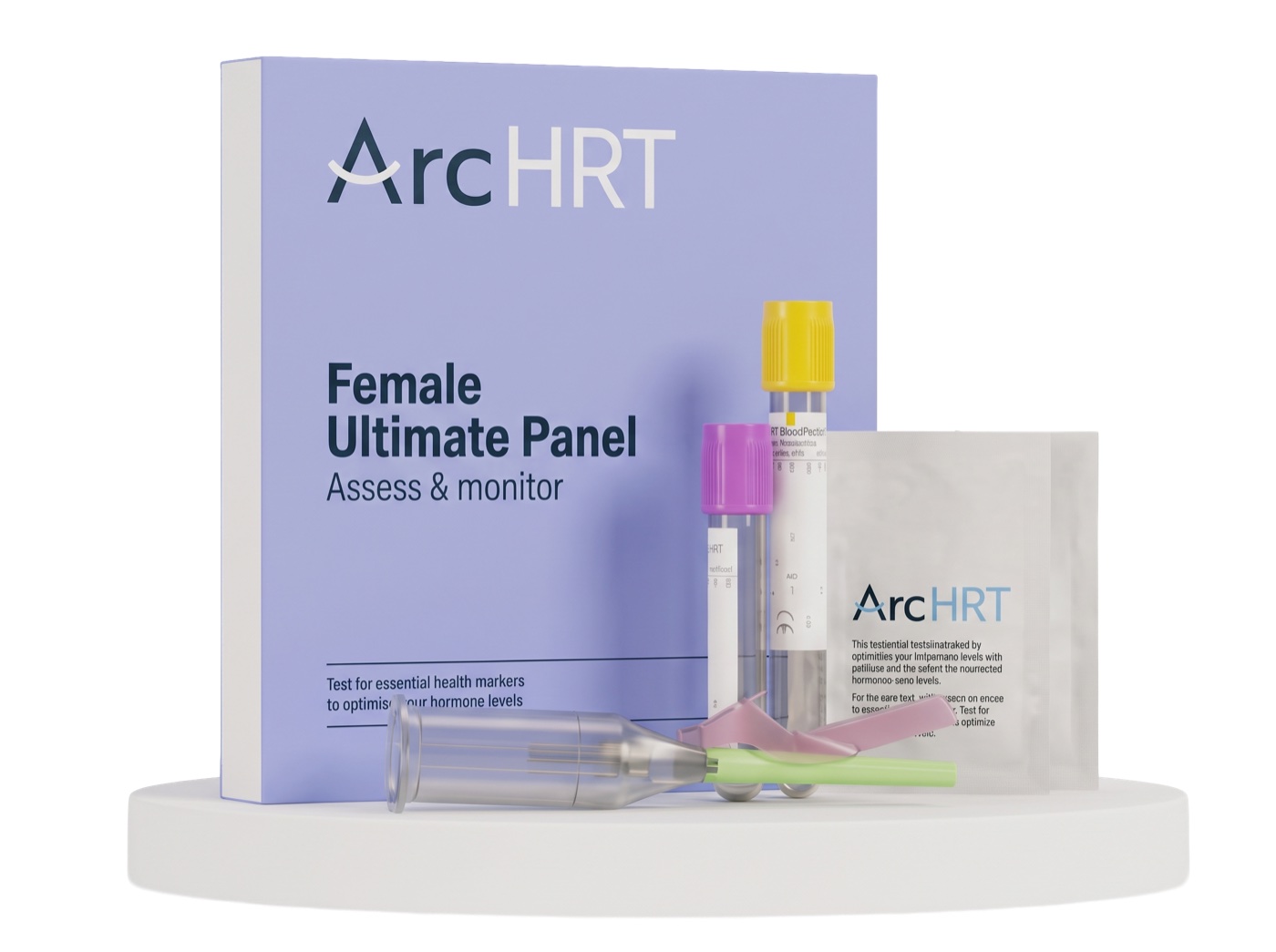
Most comprehensive
Our widest check, adding advanced heart and metabolism markers such as Lp(a), ApoB and hs-CRP.
from £299 one-off · venous kit, nurse or clinic
21 markers across 7 areas of healthIn the morning, ideally before 10am and before breakfast, and post it back the same day. Cortisol is only meaningful as a morning sample. If you still have periods, days two to five of your cycle give the most useful hormone readings, but any day is fine if your periods are irregular or have stopped.
Not strictly, but a sample before breakfast gives the cleanest cholesterol and blood sugar readings. Water is fine.
The panel needs more blood than a finger-prick can collect. Choose a kit for a draw you arrange, a nurse who comes to your home, or one of 300+ partnered clinics across the UK. You choose when you order and pick your appointment at the checkout.
No. It is a convenient, doctor-reviewed baseline alongside your menopause care. If anything needs follow-up, we will say so and, where appropriate, write to your GP.
Usually within a few working days of the lab receiving your sample. A doctor reviews them and we email you to talk them through.
Medical care that puts you back in control, with a doctor who listens, clear options and treatment tailored to you.